Tuesday, May 26, 2026

When To Use Dating Apps For More Matches And Better Results


Dating apps have changed the way people meet, connect, and start relationships. From casual swipes to long-term commitments, millions of people use dating apps every day in hopes of finding romance, friendship, or simply more social interaction. But here’s the question most people don’t ask: when is the best time to use dating apps if you want more matches and better results?

when you use dating apps can be just as important as how you use them. The truth is, timing matters as much as your profile, photos, or bio. Sure, your photos, bio, and personality matter. But timing; knowing the peak dating hours and aligning with the dating app algorithms can transform your results. Just like fishing at the right hour increases your chances of a big catch, logging into dating apps at the right times dramatically improves your visibility and likelihood of matching. Understanding dating app peak hours, user behavior patterns, and seasonal trends can make the difference between being ignored and finding someone genuinely compatible.

In this in-depth guide, we’ll break down the best times to use dating apps, explain why timing affects your results, explore weekday vs. weekend patterns, and give you practical strategies to maximize your matches.
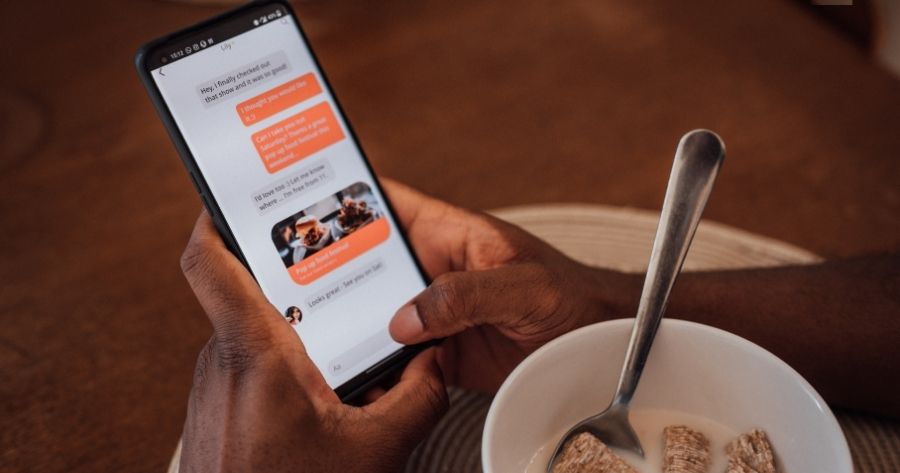
Timing Matters on Dating Apps

Dating apps function as social marketplaces. Every time you log in, you’re competing for attention. The more active users at that moment, the higher your chances of appearing in someone’s feed, swiping queue, or suggested matches.

Here’s why timing is so important:

  1. Visibility Algorithms: Dating apps prioritize showing active users to others who are online. If you’re online during peak activity, you’re more likely to appear in front of more people.
  2. Response Rate: People are more likely to respond quickly if they’re already active. A message sent at peak time has higher odds of getting a reply.
  3. Competition Balance: Some times have too many people online, while others are so quiet your profile may never be seen. The sweet spot is finding the balance.
  4. Psychological Factors: People use dating apps when they’re most relaxed—after work, before bed, or on lazy weekends. If you align with this behavior, your chances of catching their attention increase.

Best Times of Day to Use Dating Apps

Research and surveys show that late evenings are the most effective times to use dating apps. But let’s break this down more precisely:

1. Evenings (7 PM – 10 PM)

  • This is the golden window for dating apps. Most people have finished work or school, eaten dinner, and are winding down.
  • Users are scrolling social media, streaming TV, and yes, checking dating apps.
  • Response rates and swiping activity peak in this window.

2. Late Nights (10 PM – 12 AM)

  • Surprisingly, late nights can also be highly effective.
  • Many singles scroll through apps before bed, giving you high engagement opportunities.
  • Be aware: this timeframe sometimes attracts people looking for casual connections rather than serious matches.

3. Mornings (6 AM – 9 AM)

  • While not as strong as evenings, mornings can work well, especially on weekdays.
  • People check apps during commutes, coffee time, or while preparing for their day.
  • If you’re looking for professional or serious-minded matches, this slot can work.

4. Lunchtime (12 PM – 2 PM)

  • Midday breaks give people a chance to scroll casually.
  • Engagement isn’t as strong as evenings, but it’s still a solid secondary window.

Worst times: Mid-afternoon (2 PM – 5 PM) tends to have the lowest engagement. People are busy with work or errands and unlikely to focus on apps.

Weekday vs. Weekend Dating App Usage

Timing also changes depending on the day of the week.

Weekdays (Monday – Thursday)

  • Evenings are the best slots, as people are looking for distractions after work.
  • Tuesday and Wednesday evenings often show surprisingly high engagement.
  • Mondays tend to be quieter; people are busy catching up with tasks.

Fridays

  • Activity peaks around 6 PM – 9 PM as people finalize weekend plans.
  • Great time if you’re looking for immediate meetups or casual dates.

Saturdays

  • Morning and early afternoon activity can be higher than weekdays.
  • Saturday nights tend to slow down; most people are out rather than swiping.

Sundays

  • The single most active day of the week for dating apps.
  • Peak activity happens between 7 PM – 10 PM, as people prepare for the work week and check apps for connections.

Seasonal and Monthly Patterns

It’s not just the day and time, seasonality also matters.

  • January: Huge spike in new users (New Year’s resolutions, “Dating Sunday”).
  • Valentine’s Season (Feb): High activity as people seek companionship.
  • Summer: More casual swiping, meetups, and travel flings.
  • September: Another spike, as people settle after summer.
  • Holiday Season (Nov–Dec): Mixed; some users deactivate, others increase activity due to loneliness.

Understanding these cycles helps you time not only your daily activity but also when to update your profile or send more likes.

App-Specific Timing Differences

Not all dating apps behave the same way.

Tinder

  • Most active among younger users.
  • Best times: Evenings 8 PM – 11 PM, weekends strong.

Bumble

  • Slightly older demographic, professionals.
  • Best times: Weekday evenings 6 PM – 9 PM, lunchtime good for quick swipes.

Hinge

  • Focused on serious dating.
  • Best times: Weekday evenings 7 PM – 10 PM, Sundays strong.

OkCupid / Match / eHarmony

  • More serious relationship seekers.
  • Best times: Early evenings 6 PM – 9 PM, weekdays stronger than weekends.

Niche Apps (Christian Mingle, HER, etc.)

  • Smaller user bases, so being online during peak hours is even more crucial.

Understanding Dating App Algorithms and Timing

Most users think dating apps work like social media; you log in, swipe, and everyone sees your profile equally. But in reality, every app uses a dating app algorithm that decides who appears in your swiping queue and how often your profile is shown.

  • Recency Matters: Apps push recently active profiles first. This means if you log in at peak hours, your profile gets a bigger boost.
  • Engagement Signals: If you swipe, like, and reply during busy periods, the algorithm marks you as an “active user,” increasing your visibility.
  • Reply Rates: Responding quickly to matches during peak dating hours improves your ranking. Profiles that go silent or slow down get pushed down.
  • Profile Updates: Even small changes; like swapping in a new photo, just before busy times can trigger the algorithm to show you to more people.

To maximize results, always combine peak timing with active engagement. Logging in is good, but logging in and interacting is what the algorithm rewards.

Making the Most of Peak Dating Hours

It’s one thing to know when peak dating hours happen, it’s another to use them wisely. Simply swiping during busy times isn’t enough if your approach is rushed.

  • Swipe Smart, Not Fast: During high-traffic windows, don’t just swipe right on everyone. Be selective, apps reward thoughtful engagement over spammy behavior.
  • Use Paid Features Strategically: Features like Boosts, Super Likes, or Spotlights should always be used during peak hours (especially Sunday evenings) for maximum exposure.
  • Craft Messages During High Engagement: Don’t just match, start conversations right away. People are more likely to respond quickly when they’re already active.
  • Stack Your Opportunities: If you’re on multiple apps, focus your energy on swiping across all of them during the busiest windows instead of scattering your activity.

Think of peak dating hours as a spotlight. This is when your profile can shine brightest, so use every tool available to stand out.

Strategies to Maximize Matches with Timing

Knowing the best times is only half the battle. Here’s how to combine timing with strategy:

  1. Log In Before the Peak
    • Be active 15–30 minutes before peak hours so your profile is fresh when most users come online.
  2. Use Boosts or Spotlight Features Strategically
    • Save boosts for Sunday evenings or weekday peaks for maximum visibility.
  3. Refresh Your Profile During High Traffic
    • Update photos or prompts just before busy times to increase algorithmic visibility.
  4. Message at the Right Time
    • Send messages when people are most likely to reply (evenings, not during work hours).
  5. Test and Adjust
    • Each app and location may vary slightly, track when you get the most matches and adapt.

Common Mistakes with Dating App Timing

  • Swiping at Low Traffic Hours: Your profile gets buried before people log in.
  • Using Boosts in Quiet Periods: Wasting paid features when fewer users are active.
  • Ignoring Weekday Power: Many think weekends are best, but weekday evenings often outperform.
  • Not Considering Your Goals: Late-night swipes may get fast matches but not serious ones.

Psychology Behind Timing and Dating Apps

Why do people use dating apps at certain times?

  • Evenings: Relaxation, end-of-day reflection, loneliness, or wanting connection before bed.
  • Mornings: Starting the day with optimism, curiosity, or distraction during commutes.
  • Weekends: Social plans, looking for instant meetups.
  • Sundays: Loneliness, planning for the week, desire for comfort.

By aligning your activity with user psychology, you don’t just get more matches, you get more meaningful ones.

How Long Should You Stay Active?

It’s not just when you log in, but how long.

  • 15–30 minutes during peak hours is often enough.
  • Over-swiping or spending hours reduces your selectivity and energy.
  • Strategic short bursts are better than endless scrolling.

Timing + Profile Optimization = Maximum Results

While timing is crucial, it works best when combined with:

  • High-quality photos (clear, confident, natural).
  • Engaging bio (shows personality, avoids clichés).
  • Activity consistency (log in daily, not just once a week).
  • Prompt responses (reply quickly during active hours).

Conclusion

Timing plays a massive role in your dating app success. Logging in at the right times increases your visibility, response rates, and overall match quality.

  • Best times: Evenings (7 PM – 10 PM), late nights (10 PM – 12 AM), Sunday evenings strongest.
  • Best days: Sunday > Friday evenings > weekday evenings.
  • Best strategy: Log in before peak, refresh your profile, and send messages when people are most active.

By understanding and applying these timing strategies, you’ll not only get more matches but also build better connections that lead to real-life results.


20 Important Questions To Ask Before Marriage


Marriage is one of life’s most exciting milestones, a union filled with love, dreams, and the promise of a shared future. But while many couples spend countless hours planning the perfect wedding day, far fewer spend enough time preparing for the lifelong journey that follows. The truth is simple: a strong marriage is built long before the wedding vows are exchanged.

One of the biggest mistakes couples make is assuming love alone is enough to sustain a marriage. While love is essential, it must be supported by open communication, shared values, and realistic expectations. Research shows that couples who engage in premarital discussions about money, children, conflict, intimacy, and family have a much higher chance of long-term success. Yet, many partners avoid these conversations because they feel uncomfortable or worry about spoiling the romance.

That’s where asking the right questions comes in. By having honest, sometimes tough conversations before marriage, couples can prevent misunderstandings, reduce conflict, and strengthen their bond. Think of it as laying the foundation for a house: if the base is strong, the relationship is more likely to withstand life’s storms.

Whether you’ve been together for a few months or many years, taking time to reflect on these questions can help you enter marriage with confidence and clarity. Remember, the wedding is just one day, but the marriage is a lifetime.

In this guide, we’ll walk through 20 essential questions every couple should ask before marriage. These questions cover everything, from finances and parenting to intimacy, health, and long-term goals. They’re not designed to scare you or create doubts, but to ensure you and your partner share a clear, aligned vision for the future.

Before We Begin: Why These Questions Matter

Before we dive into the full list of questions, it’s important to understand their purpose. These aren’t “trick” questions meant to test or trap your partner. Instead, they’re conversation starters designed to spark honest, meaningful discussions about the realities of married life.

Think of them as a roadmap. Some couples may find they already agree on most things, while others might discover areas they’ve never talked about. Both outcomes are valuable, agreement brings reassurance, and differences highlight where you may need compromise or deeper understanding.

The key is to approach these conversations with openness, patience, and respect. They don’t need to happen all at once; you can spread them out over weeks or months, depending on your relationship pace. What matters most is that both partners feel safe to speak their truth and listen with empathy.

Now, let’s explore the 20 essential questions every couple should ask before marriage; questions that will help you build not just a beautiful wedding day, but a lasting and fulfilling life together.

1. Why Do We Want to Get Married?

Marriage should never be just a box to tick or a response to outside pressure. Many people marry because “it’s the next step,” but couples who thrive often have a deeper reason. This question forces you to reflect on motivation.

Ask each other:

  • Are we marrying because of genuine love and companionship?
  • Do we feel pressured by age, family, or society?
  • What does marriage mean to each of us?

For example, if one partner sees marriage as a spiritual union ordained by faith, while the other sees it as mainly a legal contract, misunderstandings can arise later. Some couples marry for financial stability or immigration purposes, and while that doesn’t always mean failure, it requires honesty.

By clarifying motivations, couples start on a strong, authentic foundation instead of assumptions.

2. How Do We Define Commitment?

Commitment is the glue that holds marriage together. But what does it actually mean for each of you? For some, commitment means staying no matter what; for others, it means loyalty until dealbreakers like abuse or repeated infidelity.

Key questions:

  • How do we define loyalty and faithfulness?
  • Are there circumstances where separation becomes acceptable?
  • Do we believe marriage is permanent, or conditional on happiness?

Discussing this ensures you both align on boundaries. If one partner believes commitment means enduring anything, but the other believes in walking away when things get hard, tension may arise.

Commitment isn’t just about not leaving; it’s also about actively choosing each other daily through support, effort, and patience.

3. What Role Does Religion or Spirituality Play in Our Lives?

Religion can unite or divide couples. Even within the same faith, differences in devotion and practice create conflict. For example, one partner may pray daily and attend services weekly, while the other rarely participates.

Ask each other:

  • How important is religion or spirituality to our identity?
  • How do we celebrate religious traditions?
  • How will we raise children with faith?

Some couples choose to blend practices, while others decide to stick to one tradition. What matters is clarity. Ignoring these differences early may cause tension later, especially during family gatherings, holidays, or child-rearing.

Being honest here ensures respect and harmony in spiritual life.

4. How Do We Handle Money and Debt?

Money is one of the top causes of marital breakdown. Before marrying, couples should reveal financial habits, debts, and goals.

Ask:

  • Do we merge finances, keep them separate, or combine partially?
  • How do we handle large purchases, joint decision or individual freedom?
  • What debts do we each have (student loans, credit cards, mortgages)?
  • How do we approach savings, investments, and budgeting?

One partner may be a spender, while the other saves aggressively. Unless these differences are discussed, resentment builds. Debt, in particular, can cause shock if hidden.

A strong marriage requires financial transparency and teamwork. Creating a budget and long-term plan before the wedding gives you peace of mind.

5. Do We Want Children?

Few decisions shape marriage more than parenthood. It’s crucial to decide early.

Ask:

  • Do we want children at all? If yes, how many?
  • How soon do we want to start?
  • What parenting style do we prefer; strict, balanced, gentle?
  • What if we face fertility challenges?

Some couples assume they’ll “figure it out later,” but that’s dangerous. Imagine discovering one partner doesn’t want kids while the other has always dreamed of being a parent. That clash can destroy the relationship.

By aligning expectations, couples avoid heartbreak and prepare for a shared future.

6. How Do We Handle Conflict?

Conflict is inevitable. What matters is your conflict resolution style.

Ask:

  • Do we argue openly or avoid confrontation?
  • Do we raise voices, stay silent, or talk calmly?
  • Do we compromise or stick stubbornly to positions?

Healthy couples don’t avoid conflict—they learn to fight fair. That means listening, validating feelings, and seeking solutions instead of blaming. Couples should also agree on rules like never insulting each other, avoiding threats of divorce during fights, and not bringing up old wounds.

Strong conflict skills transform disagreements into growth opportunities.

7. What Does Intimacy Mean to Us?

Intimacy is more than sex, it’s emotional, physical, and spiritual closeness. Yet, expectations vary.

Questions to ask:

  • How often do we expect intimacy?
  • What are our love languages, touch, words, gifts, service, or time?
  • How do we keep romance alive long-term?
  • Are there boundaries or preferences we need to share now?

Sexual incompatibility can create frustration if ignored. Talking openly avoids surprises and builds trust. Emotional intimacy is equally important: sharing fears, dreams, and vulnerability.

Couples who prioritize intimacy stay connected and fulfilled throughout marriage.

8. Where Do We Want to Live?

Location affects careers, lifestyle, and family ties.

Ask:

  • Do we prefer city life, suburbs, or countryside?
  • Are we open to relocating for work?
  • Do we want to live near family or independently?
  • Do we plan to rent long-term or buy property?

For example, one partner may dream of moving abroad, while the other values staying close to parents. Without alignment, resentment builds.

Agreeing on where to build your home ensures both partners feel settled and satisfied.

9. What Are Our Career Goals?

Balancing two careers can be challenging.

Ask:

  • Are we equally ambitious, or does one prioritize home life?
  • Would we relocate for one partner’s job?
  • How do we balance long hours with family time?
  • Could one of us take a break to raise kids?

If one partner’s career requires frequent travel or relocation, the other must be prepared to adapt. Similarly, if one wants to become an entrepreneur, both must accept risks.

Supporting each other’s goals builds mutual respect and teamwork.

10. How Will We Handle Extended Family and In-Laws?

In-laws often influence marriages. Healthy boundaries are essential.

Ask:

  • How often will we visit family?
  • What level of involvement do they have in our decisions?
  • What happens if one of us feels our family is overstepping?

For example, if one partner expects weekly visits with parents while the other prefers monthly, conflict is inevitable. Couples should decide together, then present a united front to family.

Healthy in-law relationships bring support, not stress.

11. What Are Our Views on Household Responsibilities?

Chores may seem small, but they cause huge fights.

Ask:

  • Do we divide chores equally, or based on skills?
  • Who cooks, cleans, pays bills, or shops?
  • Are we comfortable hiring help?

If one partner works longer hours, is it fair for them to also handle most housework? If not discussed, resentment builds quickly.

Sharing chores reflects respect and teamwork.

12. How Do We Spend Free Time and Holidays?

Lifestyle compatibility is crucial.

Ask:

  • Do we enjoy spending most free time together or apart?
  • How do we balance friends, hobbies, and couple time?
  • How do we handle holidays—travel, family visits, or quiet celebrations?

Some people need more solitude, while others want constant togetherness. Understanding this avoids misunderstandings and helps you plan a balanced lifestyle.

13. What Are Our Health and Lifestyle Expectations?

Health habits impact marriage long-term.

Ask:

  • Do we share similar diets and fitness routines?
  • How do we handle medical decisions or emergencies?
  • Are we open about mental health struggles?
  • Do we agree on habits like drinking, smoking, or partying?

If one partner is health-conscious and the other careless, it may cause stress. Couples should encourage each other toward healthy habits while respecting individuality.

14. What Are Our Biggest Fears About Marriage?

Everyone has hidden fears. Being vulnerable strengthens trust.

Ask:

  • Are you afraid of losing independence?
  • Do you fear infidelity or financial failure?
  • What past experiences make you nervous about marriage?

Talking about fears openly allows couples to reassure and support each other. Ignoring them leads to unspoken anxiety that harms the relationship.

15. Do We Share the Same Long-Term Vision?

Successful couples align on future goals.

Ask:

  • Where do we see ourselves in 5, 10, or 20 years?
  • Do we dream of traveling, starting businesses, or settling early?
  • Do we agree on lifestyle, quiet family life or adventurous exploration?

Different long-term visions can pull couples apart. Discussing them ensures your paths move in the same direction.

16. Are We Comfortable Talking About Everything?

Strong marriages thrive on open communication.

Ask:

  • Do we feel safe sharing uncomfortable truths?
  • Do we listen without judgment?
  • Can we talk about money, sex, insecurities, and fears openly?

If one partner hides things, small issues become big problems. Couples who communicate honestly avoid most crises because they resolve issues early.

17. How Do We Handle Friendships with the Opposite Sex?

Friendship is healthy in any individual’s life, but when two people enter marriage, boundaries become more important. Opposite-sex friendships can sometimes lead to misunderstandings, jealousy, or mistrust; especially if one partner feels excluded or uncomfortable.

Questions to ask:

  • Are we okay with each other having close friends of the opposite sex?
  • How much time is reasonable to spend with them without causing tension?
  • What level of openness do we expect, do we introduce these friends, share details, or keep things private?

It’s not about restricting each other, but about creating mutual respect and boundaries. For instance, some couples are fine with opposite-sex friendships as long as communication remains transparent and respectful. Others may prefer stricter boundaries, such as avoiding late-night hangouts or one-on-one dinners.

Couples also need to consider online friendships and social media interactions. Is it acceptable to chat privately with an ex on Instagram? Is liking or commenting on another person’s photos seen as harmless or disrespectful?

The key is trust and clarity. If both partners agree on what’s acceptable, resentment doesn’t have room to grow. Having this conversation before marriage prevents surprises later.

18. What Are Our Views on Divorce or Separation?

No one walks into marriage planning for divorce, but ignoring the possibility doesn’t make it disappear. Discussing divorce before marriage isn’t about negativity, it’s about setting realistic expectations.

Questions to explore:

  • Do we see divorce as an option if things get tough, or only as a last resort?
  • What behaviors are absolute dealbreakers (abuse, infidelity, financial secrecy)?
  • Are we willing to pursue counseling before considering separation?

Different cultures, religions, and personal values shape how people see divorce. For some, it’s unacceptable under any circumstance; for others, it’s a necessary escape from toxic or abusive relationships.

Talking about this ensures both partners understand the level of commitment they’re agreeing to. For example, one partner may believe “divorce is not an option,” while the other feels “if things get unbearable, separation is healthier.” If these mindsets clash later, it can cause deep resentment.

It’s also wise to discuss legal and financial implications of divorce, especially if one partner brings significant assets or debts into the marriage. While prenuptial agreements are sometimes controversial, they can protect both individuals from future misunderstandings.

By talking openly, couples don’t invite divorce, they strengthen the commitment to avoid it unless absolutely necessary.

19. How Do We Plan to Handle Major Life Transitions?

Life is unpredictable. Career shifts, financial crises, illness, relocation, or even unexpected opportunities can drastically change a couple’s journey. A strong marriage requires flexibility and teamwork during transitions.

Conversations to have:

  • If one of us loses a job, how will we cope financially and emotionally?
  • Are we willing to relocate for a new opportunity?
  • How do we support each other during health struggles?
  • Who takes the lead during emergencies?

For example, imagine one partner gets a promotion that requires moving abroad. Will the other partner feel resentful about leaving family and friends, or supportive of the opportunity? Similarly, if one partner chooses to go back to school, how will expenses and responsibilities be managed?

Couples should also discuss long-term lifestyle changes such as retirement, becoming empty nesters, or shifting from dual-income to single-income households.

The healthiest couples approach transitions with a “we over me” mindset. Instead of thinking, “How does this affect me?” they ask, “How can we adapt as a team?” Establishing this mentality before marriage creates resilience when challenges come.

20. How Do We Plan to Keep Our Love Alive?

The honeymoon phase doesn’t last forever. Over time, routines, work, and responsibilities can cause romance to fade if couples aren’t intentional about keeping their love alive.

Questions to ask:

  • How do we keep dating each other after marriage?
  • What gestures make us feel most loved?
  • How do we celebrate milestones and anniversaries?
  • What do we do when passion feels distant?

Some couples schedule weekly date nights, while others express love through travel, surprises, or simple daily rituals like cooking together. The key is consistency, small, intentional acts of love build long-term happiness.

It’s also important to recognize that romance evolves. What excites you in your twenties may shift in your forties. Couples should remain open to discovering new activities, shared goals, and even fresh approaches to intimacy.

Another essential aspect is appreciation. Saying “thank you,” giving compliments, and acknowledging each other’s efforts keeps partners from feeling taken for granted.

Finally, couples should commit to checking in emotionally. Asking “How are you really doing?” or “Is there anything you need more of from me?” keeps the connection alive.

Marriage thrives when both partners continuously invest in love, not just at the beginning, but throughout the journey.

Conclusion: Building a Marriage That Lasts

Marriage isn’t just about saying “I do”, it’s about saying “we will” every single day. The questions in this guide are not a one-time checklist to complete before the wedding; they’re an ongoing conversation that can grow and evolve as your relationship deepens.

By taking time to ask and answer these 20 essential questions, you and your partner are doing more than preparing for marriage, you’re building a foundation of honesty, trust, and shared vision. Some answers may come easily, while others may challenge you, but both outcomes are valuable. They either confirm your alignment or reveal areas where growth and compromise are needed.

Remember, no marriage is perfect, and no couple has all the answers from the beginning. What matters most is the willingness to keep talking, keep listening, and keep choosing each other through every stage of life. The strongest marriages are not built on flawless compatibility but on commitment, respect, and the courage to grow together.

So, before you walk down the aisle, walk through these conversations. They may not all be easy, but they will be worth it, for the wedding day, and for the lifetime that follows.

Trendy